Randall Ann Homan and Al Barna of SF Neon
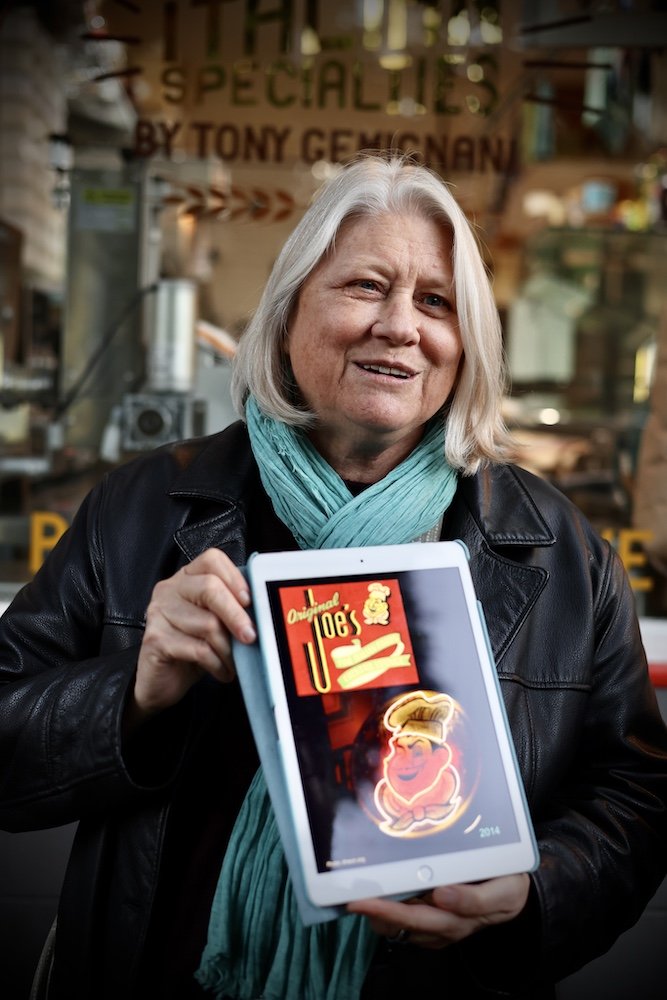
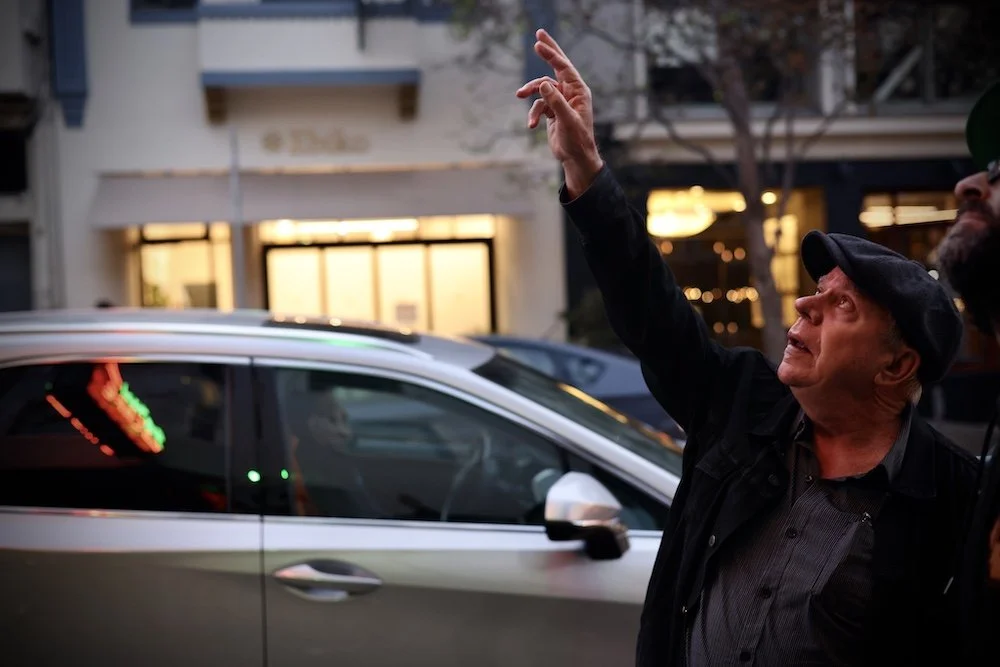
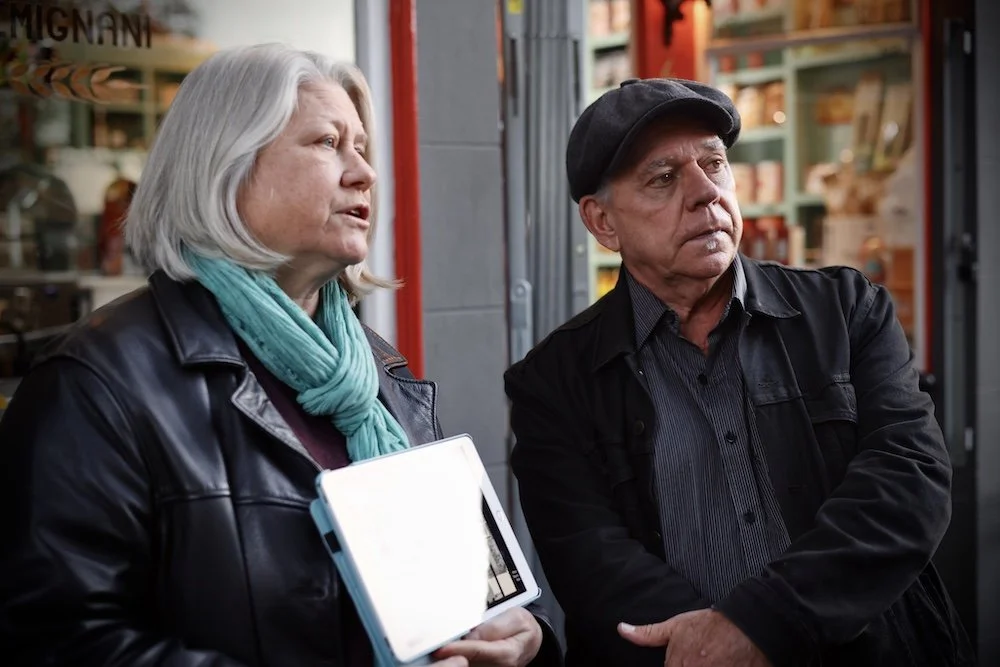
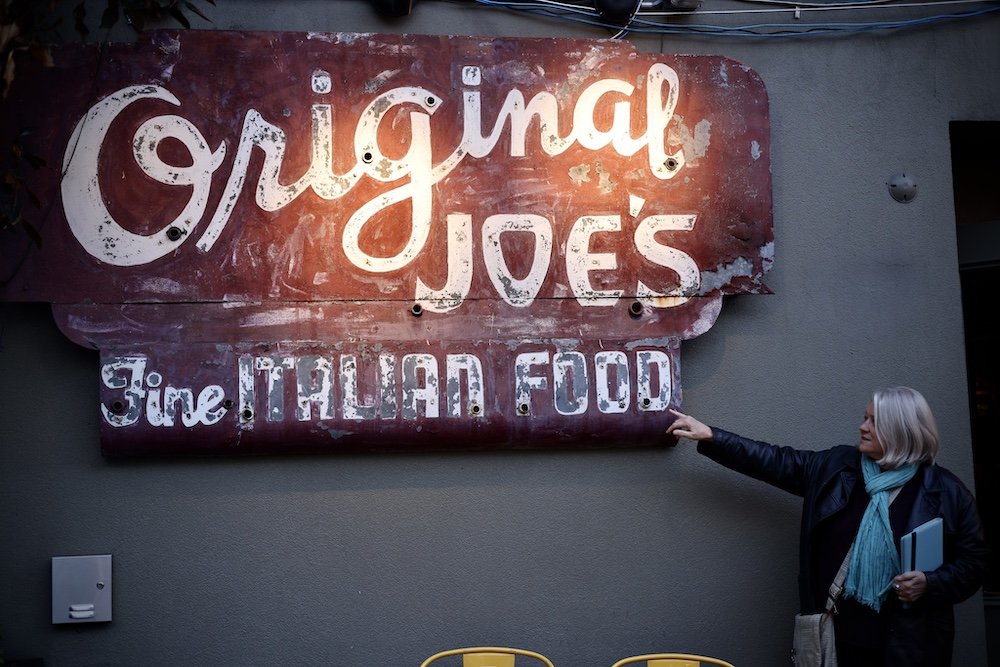
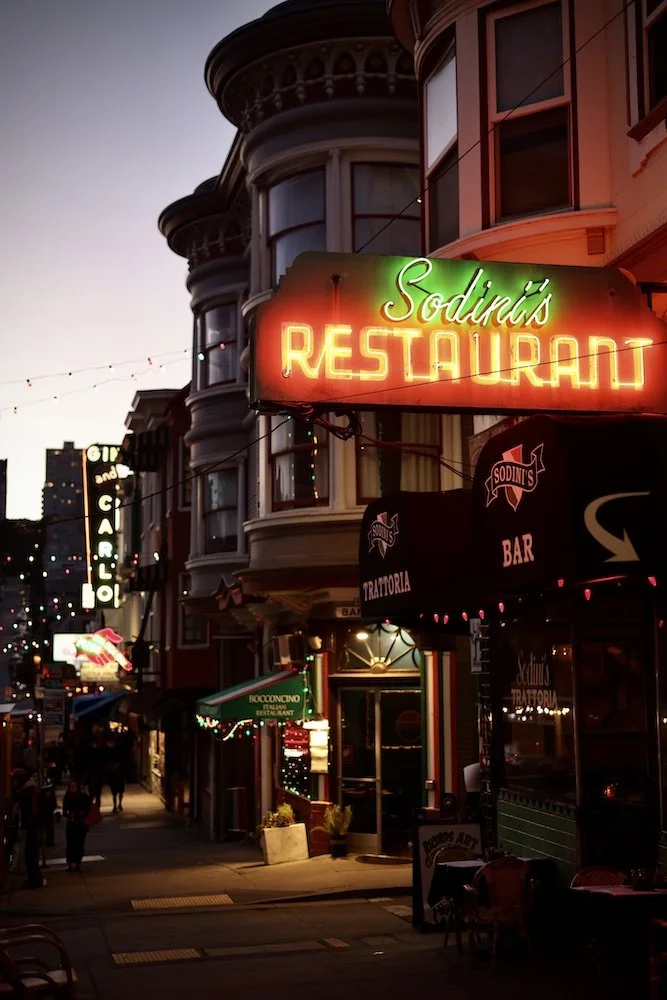
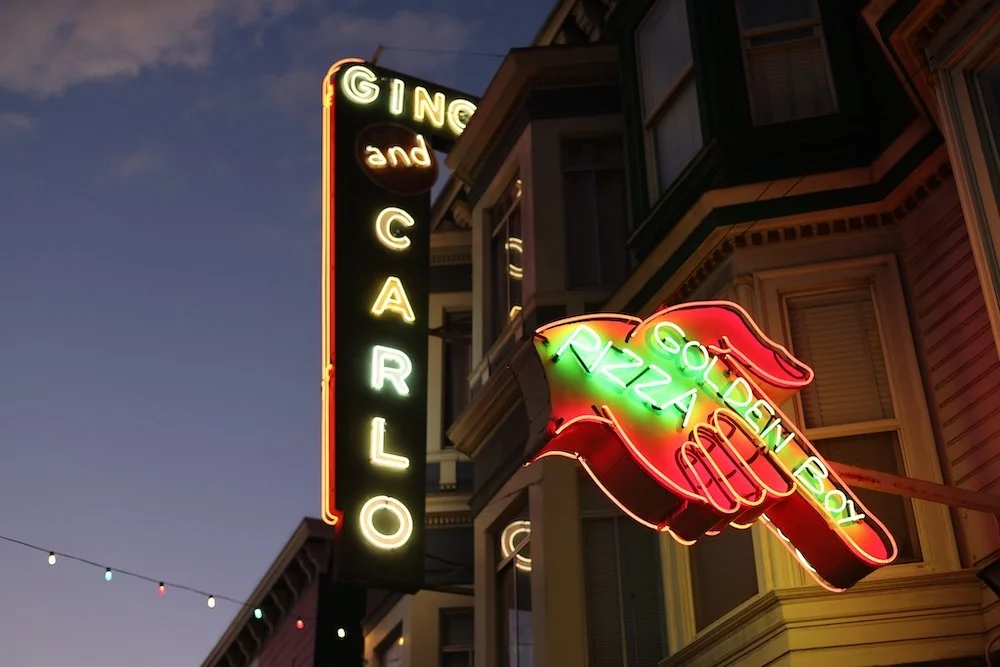
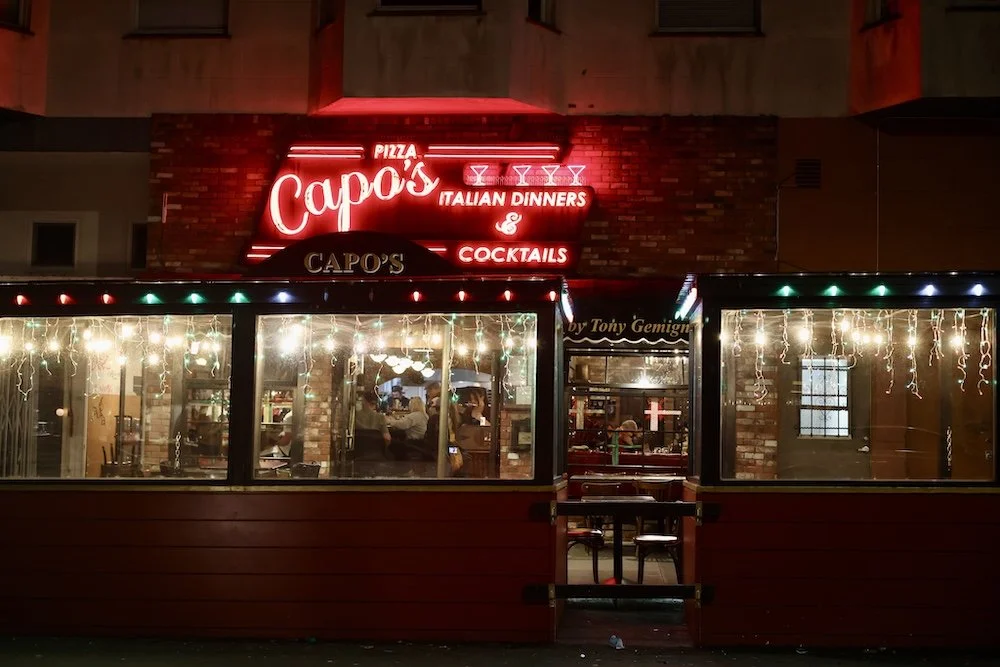
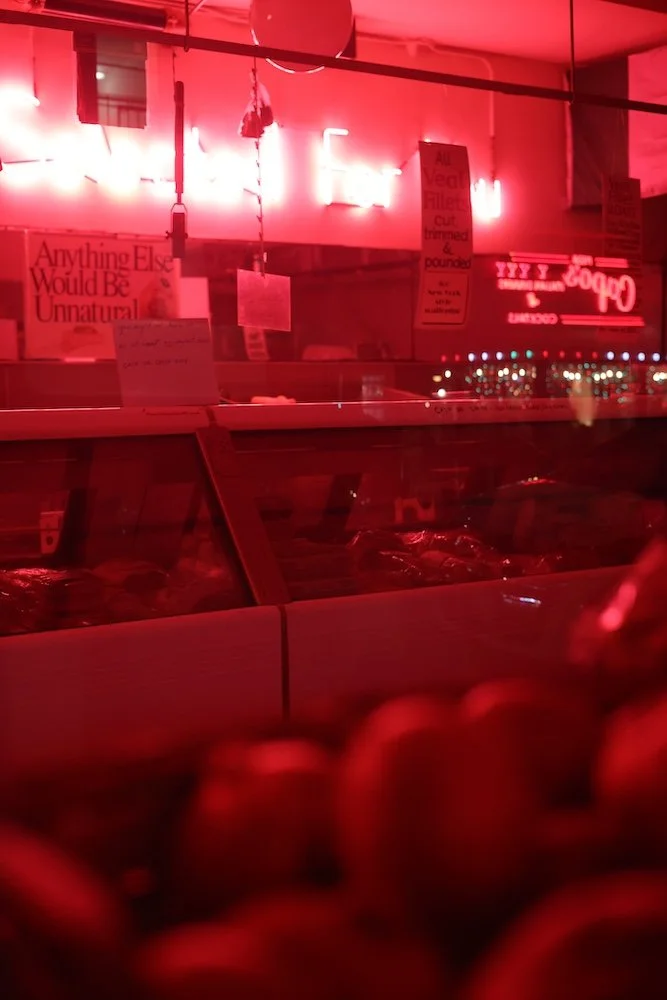
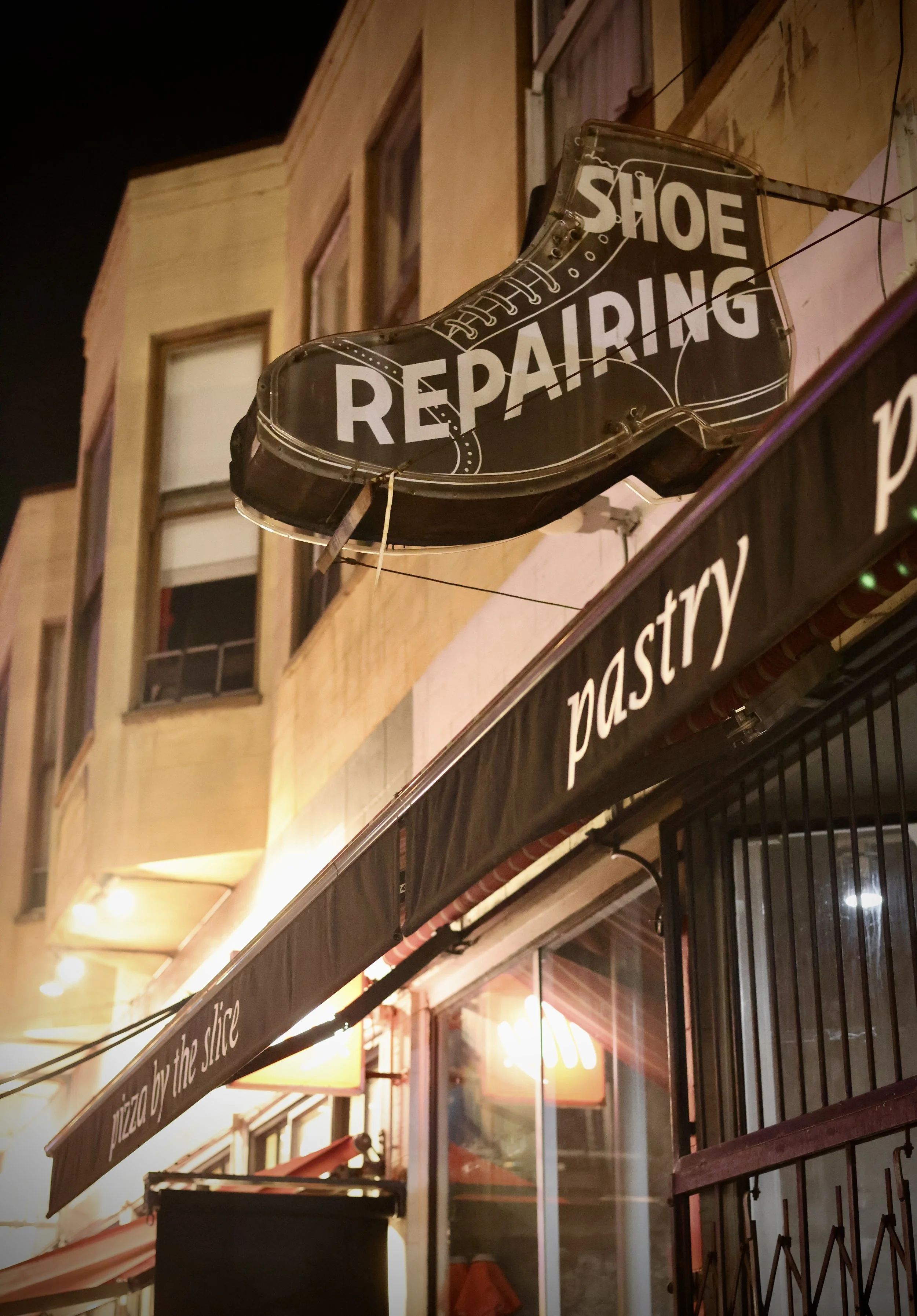
The story of how Randall Ann Homan got her name is a unique one.
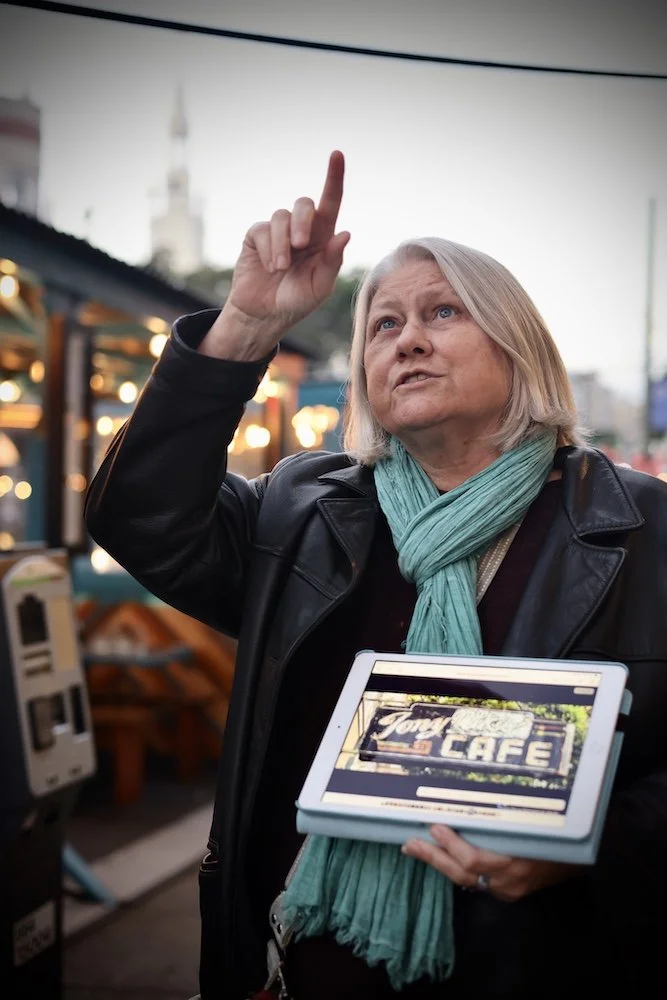
In this episode, meet and get to know Randall and her partner, in life and in neon, Al Barna. Today, the couple are all about all things San Francisco neon. But we’ll get to that.
When Randall’s dad was a teenager, he saved a young girl named Randall from drowning. After saving the little girl, he taught her to swim. Years later, when he had his own daughter, he carried the name forward.
Randall Homan grew up in Goodyear, Arizona, just outside of Phoenix. The town was named for the tire company, and it was where, back in the day, the eponymous blimp lived when not in use. Randall has a fun story about being brushed by the Goodyear blimp’s ropes when she was a kid.
She considered her hometown “Nowheresville” and left as soon as she could—at 17, after graduating from high school early. Randall came straight to San Francisco to attend Lone Mountain College (the University of San Francisco today). “It was wild,” she says about her time in the Seventies in The City.
Art school is what brought both Randall and Al to San Francisco. At her school, there was a dorm where all the art students, including Randall, lived. Views out the window of that dorm were always completely foggy except for one thing—the neon sign at the Bridge Theater on Geary pierced that blanket of gray. It left a strong impression on them both.
Rewinding a bit, Randall says that there was a little neon in her hometown of Goodyear, and she was fascinated by it. She was interested in how it worked, but also was drawn to the beauty of the colored light.
When I ask Randall whether she ever left San Francisco after her initial move here, she rewinds a little bit to talk about how young they both were when she and Al met. “Cupid hit us both square in the heart,” she says. But they wanted to see the rest of the country. They both wanted to visit where the other is from (Al came here from Pennsylvania), but they compromised on New Orleans.
They were drawn to NOLA by the music, and they sure did see a lot of that. But getting jobs was a different story. That didn’t come easy in “the Big Easy,” and so they came back. They’ve been in their San Francisco apartment for 30-plus years, and they’re not going anywhere.
As mentioned, Al comes from Pennsylvania, specifically the Scranton/Wilkes-Barre northeast area of the state. It was coal country, but young Al wanted to pursue art. And so he came to The City to go to the San Francisco Art Institute (RIP). It was 1976, and even though he was in college, Al never intended to stay longer than a year or two. The Beats influenced Al, and though San Francisco figures largely in their history, so does travel.
But he and Randall were here during the so-called Season of the Witch—1978. Randall is quick to point out how much easier it was to move within The City back then, something they did every six months or so for a stretch. I ask them to rattle off the different neighborhoods, and they oblige me: Lower Nob Hill, North Beach, and The Mission figure prominently, among others.
Al goes into a little more detail about how the two met. It was at a going-away party for a mutual friend. For him, that first meeting settled it. Randall was about to go to school in Los Angeles, and Al decided to join her down south.
After a couple years at SFAI, Al left school to work for a film company, where he did a lot more learning. He was taking lots of photos, and it wasn’t until Randall pointed out the abundance of neon signs in the backgrounds of his pictures that Al picked up on it.
In addition to LA, they also spent some time in Flagstaff, Arizona, where they both got jobs at a silk screen company. Randall also got a job working for a sign painter whose hands were too shaky for his craft. The work she did painting signs left a big impression on Randall, and you can see it in her love of old neon signs today.
Between the Eighties and early 2000s, they each worked in their respective crafts—photography for Al, and graphic design for Randall. Al worked for several decades for the Fine Arts Museums of San Francisco (the parent org for the de Young and Legion of Honor museums). He shares a story of helping prevent a bomb from exploding at the old de Young museum building, just before it was scheduled to be demolished anyway.
Randall’s graphic design work had her, among other jobs, designing album covers for bands. She did show posters, logos, and branding—work she still engages in to this day. In the Nineties, she designed the cover page for one of the Bay Guardian Best of The Bay issues.
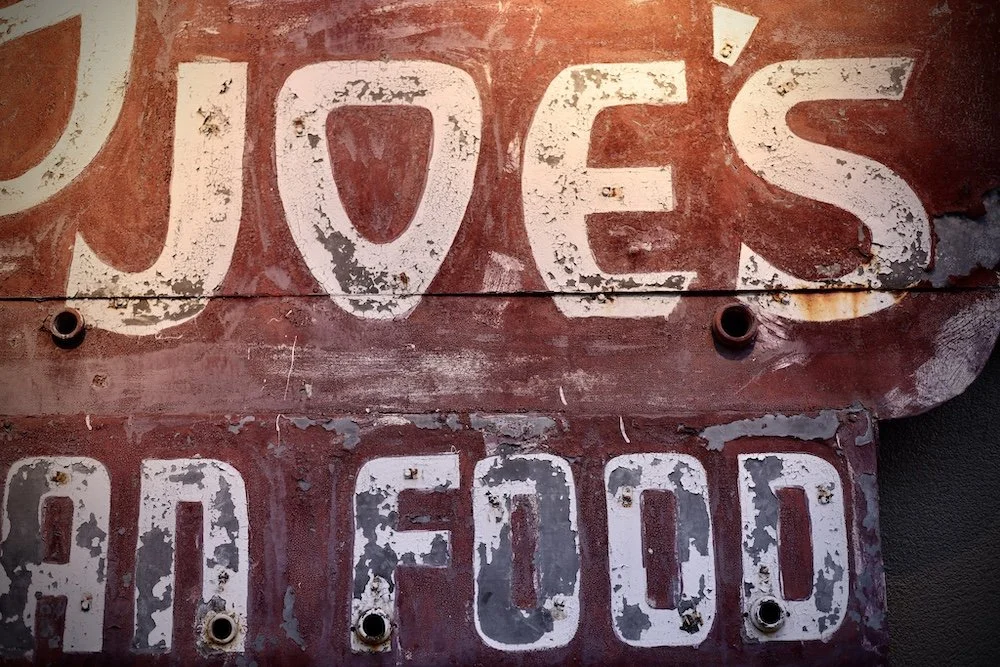
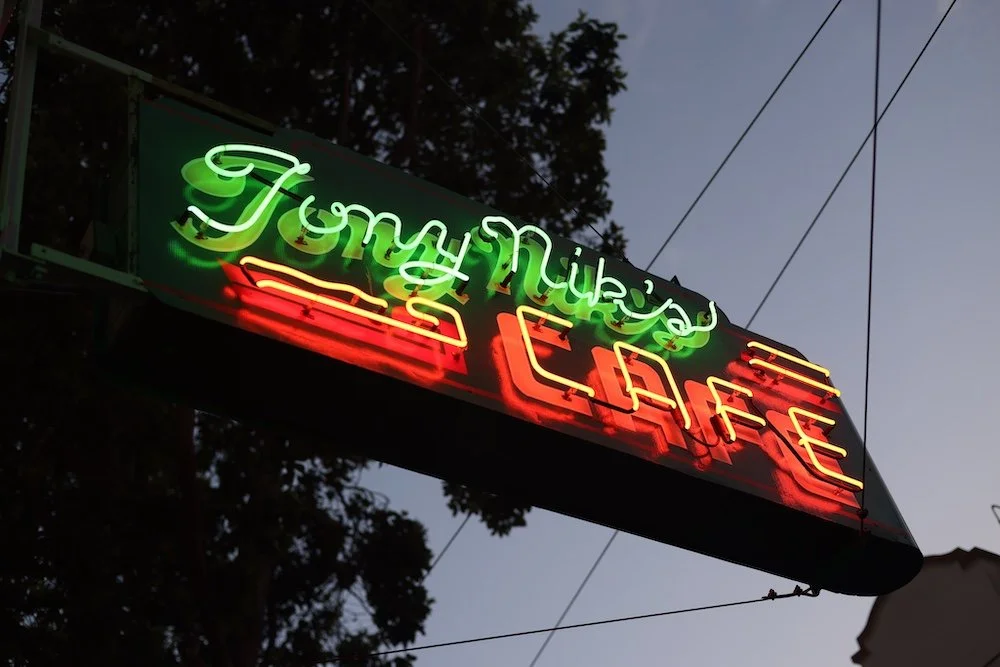
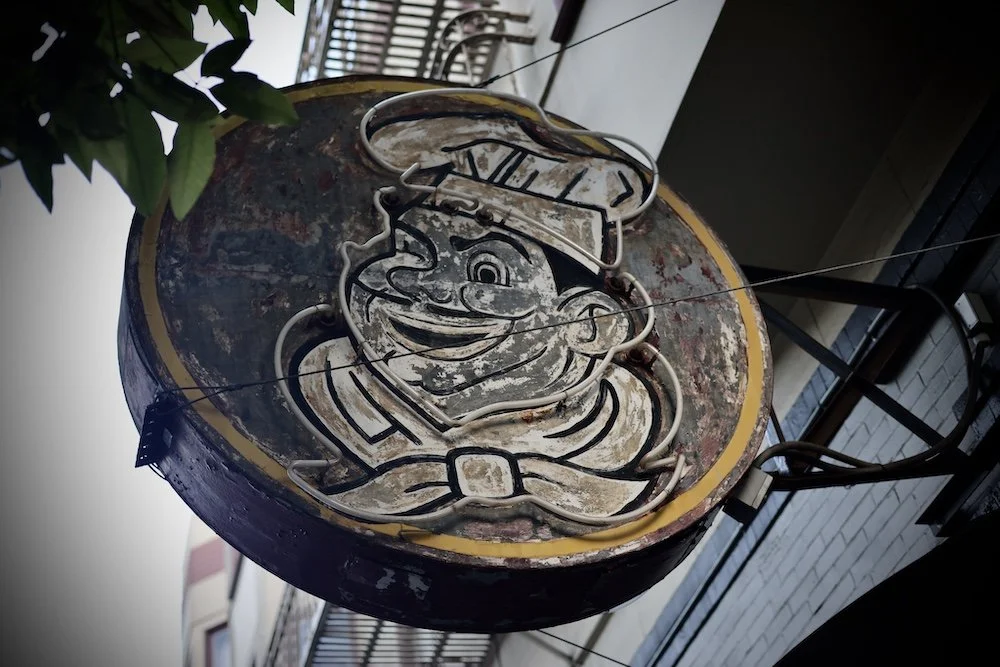
Eventually, the two decided to create a book all about neon. Putting together that first book—San Francisco Neon: Survivors and Lost Icons—took five years. We’ll talk in more depth about that and their other, more recent projects in Part 2.
We end Part 1 with the story of how neon became the central focus of both Al’s and Randall’s lives. It involved a sign in the Mission that was there one day and gone the next.
In Part 2, we pick up more or less where we left off in Part 1, hearing the story of how Randall and Al came to love all things neon. Their enthusiasm kicked into high gear when they started noticing neon signs coming down, and they decided to try to do something about it. That something started with documenting the signs. And with that came a bit of a learning curve, especially around photographing artificial lights at night.
Over the next five years, they captured and captured and captured, getting as many extant signs as they could find. Randall had some book design experience under her belt, especially aspects like packaging and getting it to a printer. She also knew how to put a book proposal together, and so they did. But friends and people in the publishing industry warned them that it would difficult to find a publisher. Randall suggested to her partner that they publish the 200-page book themselves, and that’s exactly what they did.
They had the photos and the design down. All they needed was money. Kickstarter was still pretty new, and they chose that platform. Within two weeks, they had met and exceeded their goal. It was on. Donations came in from all over The City, the country, and the world. In addition to money to fund publication, Randall and Al were gifted a community of fellow neon enthusiasts. These days, many folks in that community attend symposiums that Al and Randall put on.
I ask the couple to name other towns, besides San Francisco, that have what I’m calling “good neon.” They rattle off a few—Denver; Portland, OR; Livingston, MT; Reno; Los Angeles. Randall plugged a site by Debra Jane Seltzer called RoadsideArchitecture.com that documents neon and other signage in all US states except Hawaii and Alaska.
To help design the cover of their book, Randall and Al asked their Instagram followers. A photo of the Verdi Club and its neon won, easily. That venue quickly emerged as the obvious choice for where to host the book’s launch party. Around 300 guests showed up that night in 2014.
After launch, they realized they needed ideas to keep the book and The City’s neon signage in people’s minds. Tours were among the first of those ideas. But that started as a one-off in Chinatown. A few of the guests on that first tour were tube benders—folks who, among other things, bend the glass that goes into making a neon sign. In the end, the students taught the teachers that day. Those tube benders introduced Randall and Al to a guy in Oakland named Jim Rizzo who does neon restoration work at Neon Works. They’ve been working with Jim ever since.
When I ask if that Chinatown tour in support of their book was what got them started doing tours in general, Randall turns back to The Society for Experiential Graphic Design (SEGD). The group was holding its convention in San Francisco and asked Randall and Al to take visitors on a tour of The City. They learned a lot from that, including how long to hold your tour before folks get tired or hungry. Fast-forward to after their book was published, when folks who bought the book reached out asking if Randall and Al could show them around San Francisco’s various noteworthy neon signs. They didn’t think they had it in them to do that on a regular basis. But then other San Francisco tour guides signed up wanting to be shown our city’s neon. Little by little, those guides taught Randall and Al tools of the trade.
In the beginning, they second-guessed themselves. “We’re a photographer and a graphic designer. What are we doing giving tours?” But they soon learned the real value of neon walking tours—the chance to walk around San Francisco at twilight with people from all walks of life. The side hustle was its own reward (something very familiar to me, in my role hosting this podcast).
If you’d like to take one (or all) of Randall and Al’s tours, sign up on their website—SFneon.org. You’ll also find other books about neon that they’ve published.
One of those books is all about saving neon. They got in touch with folks they were meeting from all over the country who were doing that work in their own cities. The book is a good resource for anyone who, like Randall and Al in the Mission all those years ago, wants to preserve signs in their area.
So, they published the book, started doing tours, launched an annual conference … but still, they wanted to do more. They talked with folks at SF Heritage, picking their brains for things like how to get grant money for neon sign preservation. They told them to talk with people at The Tenderloin Museum (TLM), and mentioned Katie Conry specifically. When Randall and Al talked with her, Katie just got it, immediately. TLM has been SF Neon’s fiscal sponsor ever since. (Ed. note: This podcast was arranged with help with Katie at Tenderloin Museum. Thanks, Katie!)
As you learned on this show back in April of this year, TLM is expanding. Part of that expansion will free up the museum’s current space. Once they move all of their exhibits and artifacts into the new space, the current Tenderloin Museum will become a San Francisco neon gallery. Randall and Al are of course a huge part of that work. The first sign donated to the new gallery is from Tony’s Cable Car, a spot near and dear to my heart and just blocks from my home.
We end the podcast with Randall reminding folks that this time of year is best for the kinds of tours they do. It gets dark earlier, so there are more hours in the day to see neon signs in their glory, and the hours start around 4:30/5 p.m.
We recorded this podcast at Mario’s Bohemian Cigar Store in North Beach in November 2025.
Photography by Nate Oliveira